From physical to digital manipulation: can Montessori education evolve in the 21st century?
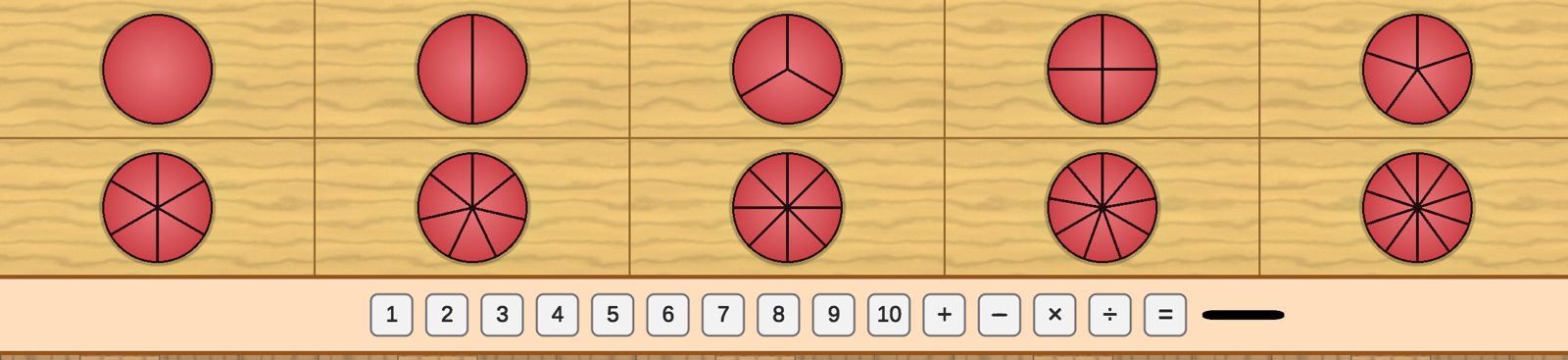
To write this article, we asked ourselves one question: if Maria Montessori were alive today, would she have designed her materials in digital form?
At the beginning of the 20th century, Maria Montessori profoundly changed the way we think about learning. At a time when teaching relied largely on lecturing (some would say it still does), she championed a revolutionary idea: children learn by doing, by experimenting and by handling things.
Her approach rests on one fundamental principle: letting children build their own knowledge through concrete, step-by-step experience, at their own pace.
Montessori materials became the symbol of this pedagogy: the decimal abacus, golden beads and number cards, the moveable alphabet, geometric solids… These materials make often abstract ideas visible and accessible.
Today, more than a hundred years later, Montessori education is still widely used. Montessori schools can be found all over the world: in Europe, especially in France, in North America, especially in the United States, and in Asia, with a strong presence in China and India.
Yet the world has changed. Tools, habits and students’ needs have evolved. And with these social and technological changes, one question deserves to be asked: how can we keep alive the principles of a hands-on pedagogy in an educational world deeply transformed by digital technology?
Physical materials: a strength, with a few limits
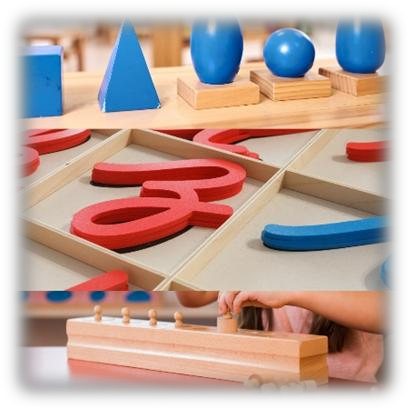
Montessori materials have undeniable educational value. They let children touch, move, organise, compare and observe. They make learning concrete. This is especially important for students with special educational needs, who need to understand through handling, trial and error, and sensory experience.
However, even as Montessori enthusiasts, we have to point out a few constraints: the materials must be made, bought, transported, stored and replaced. They often need storage space and a specific organisation depending on the classroom and the age groups they are meant for. Some materials are expensive, others are hard to provide for a whole class.
This is one of the reasons why Montessori schools can be expensive, unless the teachers make their own materials, which also happens.
In short, the challenge is not to give up physical materials; that would make no sense for anyone who loves Montessori education. It is rather about finding ways to extend what they make possible.
Digital tools: a new space for hands-on learning
Digital technology is often associated with consuming content, with passive or even harmful screen time, or with game apps. Yet it can become a genuine space for hands-on learning.
A digital abacus, for example, is more than pictures of beads on a screen. It lets children move quantities, see numbers, build decompositions and try out different strategies.
The golden beads of the Montessori bank game can become digital: children can move them and put them together in an organised way to build a quantity matching a number. Fractions can be handled visually. Letters can be discovered, linked to sounds and gradually used in reading and writing activities.
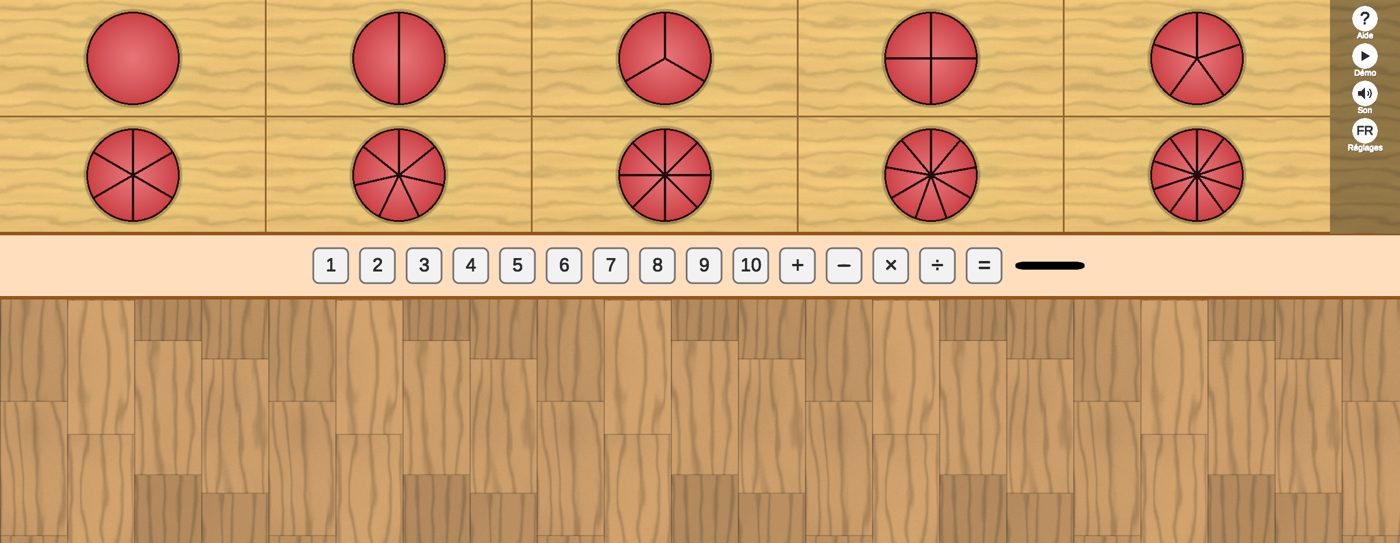
The screen does not replace the experience: it becomes a place to experiment.
Digital manipulation opens new possibilities: materials available instantly, unlimited repetition, adjustable displays, individual progression, and access to different areas of learning from one single environment.
A new opportunity for students with special educational needs
This move from physical Montessori materials to digital hands-on materials is probably most valuable here.
In specialised classes and support settings for students with cognitive difficulties, special education teachers often have to adapt materials, instructions and learning situations. Physical materials remain precious, but they are not always enough.
Digital manipulation can offer more flexible materials, remove some practical constraints and make learning more accessible. It allows both individual and whole-class work, for example by projecting the tool on the classroom board, which certainly encourages collaboration.
DISSIPL’s digital tools, based on Montessori education, also let students practise once they have learnt how the tool works. As they use them, students progress from exercise to exercise and from level to level.
In conclusion: DISSIPL extends the Montessori philosophy through digital manipulation
Digital tools are not meant to replace a pedagogy that has proved itself for more than a hundred years. The original physical materials remain essential, and Montessori lovers know it.
But the digital age offers many possibilities. While screens can rightly be criticised when they are misused or overused, a screen can still be a place to learn, and handling digital Montessori tools is a perfect example.